
Gulf Coast Septic Service
Professional Septic Tank Pumping
When you need reliable septic tank pumping, Gulf Coast Septic Service delivers fast, professional service you can trust. We provide thorough septic pumping for residential and commercial properties across the Mississippi Gulf Coast, helping protect your system from costly damage and unexpected backups.
Professional Septic Tank Pumping In Gulf Coast.
Do you have sewage in your yard?
Is it time to pump out the poop?
If you answered yes to either of these questions, it’s likely time for a septic tank pumping. Septic tank pumping, also called septic tank emptying, is a crucial maintenance task that involves removing the accumulated sludge and scum from your septic tank to keep your system functioning properly. Septic tank pumping is the process of removing the solid waste (sludge) and floating scum from the septic tank, preventing blockages and ensuring the system operates efficiently. Without regular emptying, these materials can build up and cause serious problems, including backups into your home and contamination of local water sources. Most experts recommend having your septic tank pumped every 3 to 5 years. However, this frequency can vary based on the size of the tank, the number of people in the household, and the amount of wastewater generated.
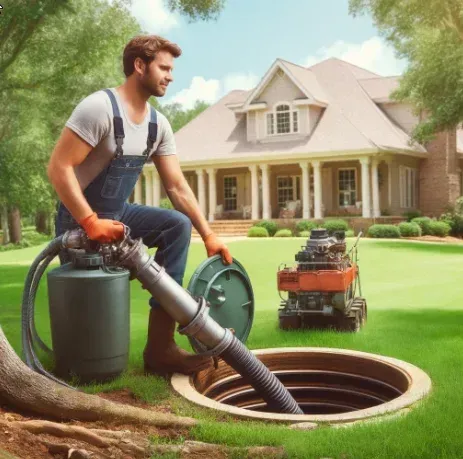
Do you live out in the county or just on the cusp of city utilities? On the Mississippi Gulf Coast, where many areas lack access to city utilities, regular septic tank maintenance is especially important.
Where to Find Septic Tank Pumping Near You
You’re never too far from us. With our small fleet of 2 trucks running 24/7, we are sure
to get to your home or business in these 5 counties:
Harrison County
Jackson County
Hancock County
Pearl River County
Stone County
Gulfport, MS
D’Iberville, MS
Pascagoula, MS
Pass Christian, MS
Pearlington, MS
Lumberton, MS
Nicholson, MS
Wiggins Perkinston, MS
Biloxi, MS
Orange Grove, MS
Ocean Springs, MS
Vancleave, MS
Bay St. Louis, MS
Poplarville, MS
Carriere, MS
Bond, MS
Woolmarket, MS
Moss Point, MS
Long Beach, MS
Waveland, MS
Picayune, MS
McNeill, MS
McHenry, MS
Whites Crossing, MS
In counties and rural areas away from cities, you know you rely on your septic system for waste disposal. Ensuring these systems are well-maintained is crucial to prevent environmental hazards and maintain the quality of life.
Why Septic Tank Pumping is Essential
Explanation of how septic tanks work
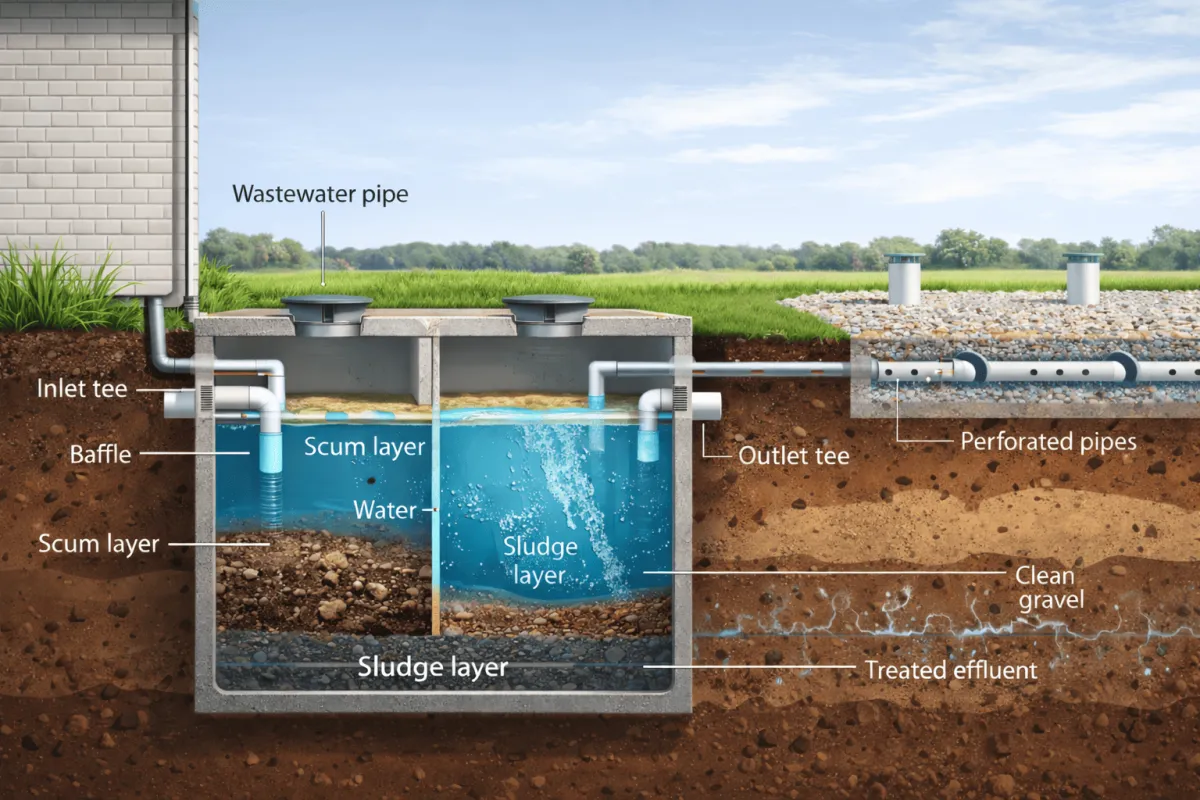
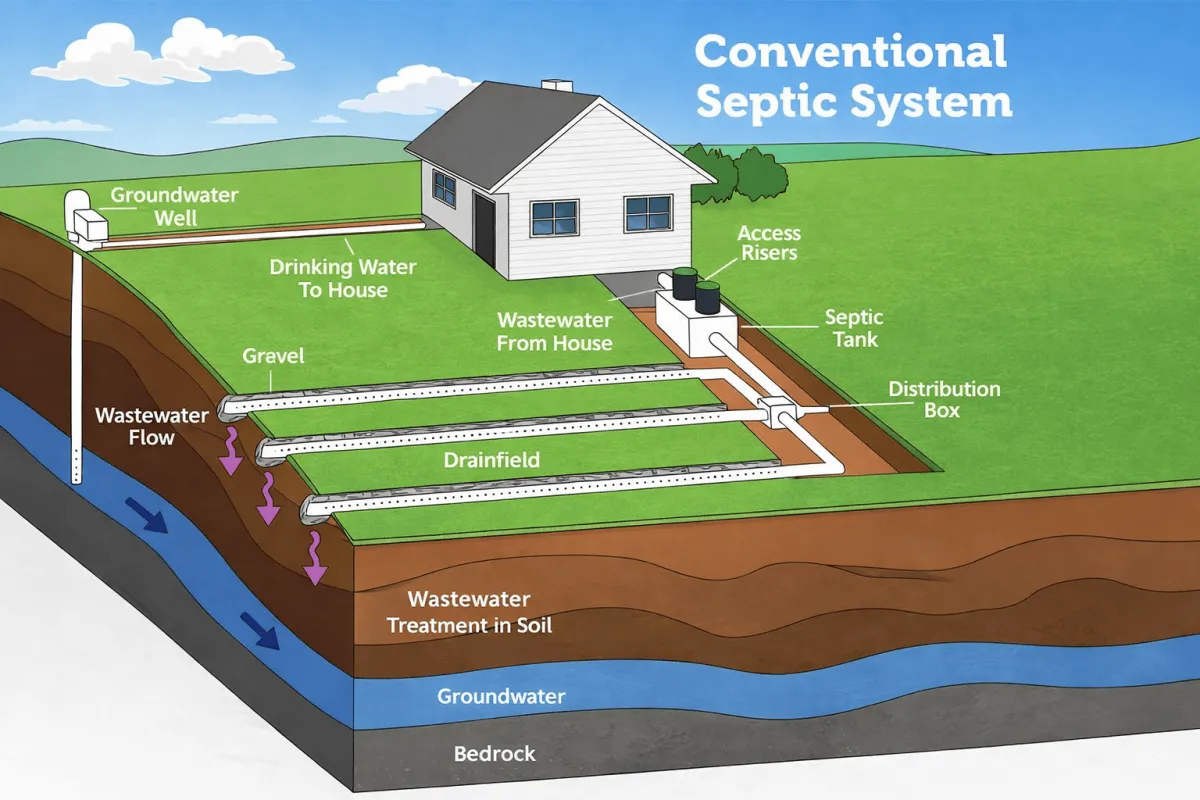
Septic tanks are an integral part of many homes, especially in rural areas where centralized sewer systems are not available. These underground tanks collect and treat wastewater from household plumbing produced by bathrooms, kitchen drains, and laundry. The system comprises a tank and a drain field or soil absorption field.
Wastewater flows into the septic tank, where solids settle to the bottom, forming sludge, while oils and grease float to the top, forming scum. The middle layer of clarified water exits the tank into the drain field, where it is further treated by the soil.
Regular pumping removes the accumulated sludge and scum to prevent overflow and system failure. The earth material between the drain field and the ground water filters the clarified water.
Importance of regular maintenance and pumping
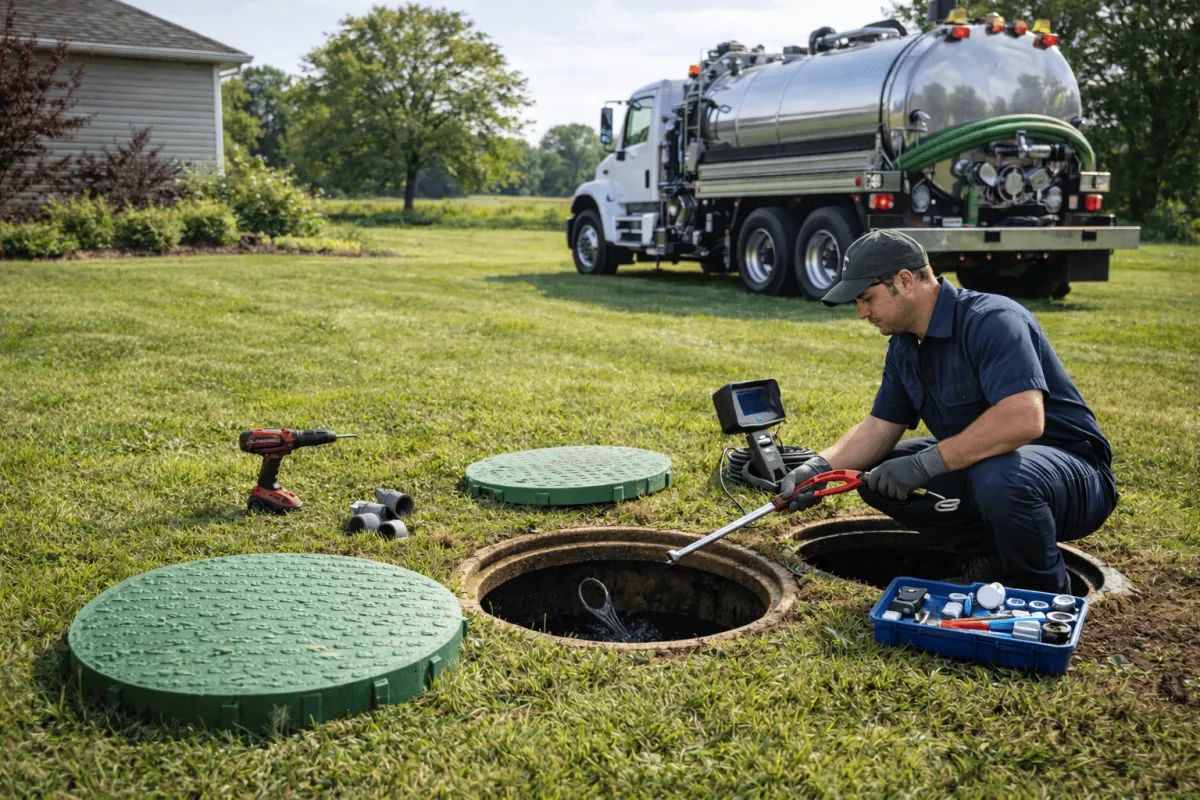
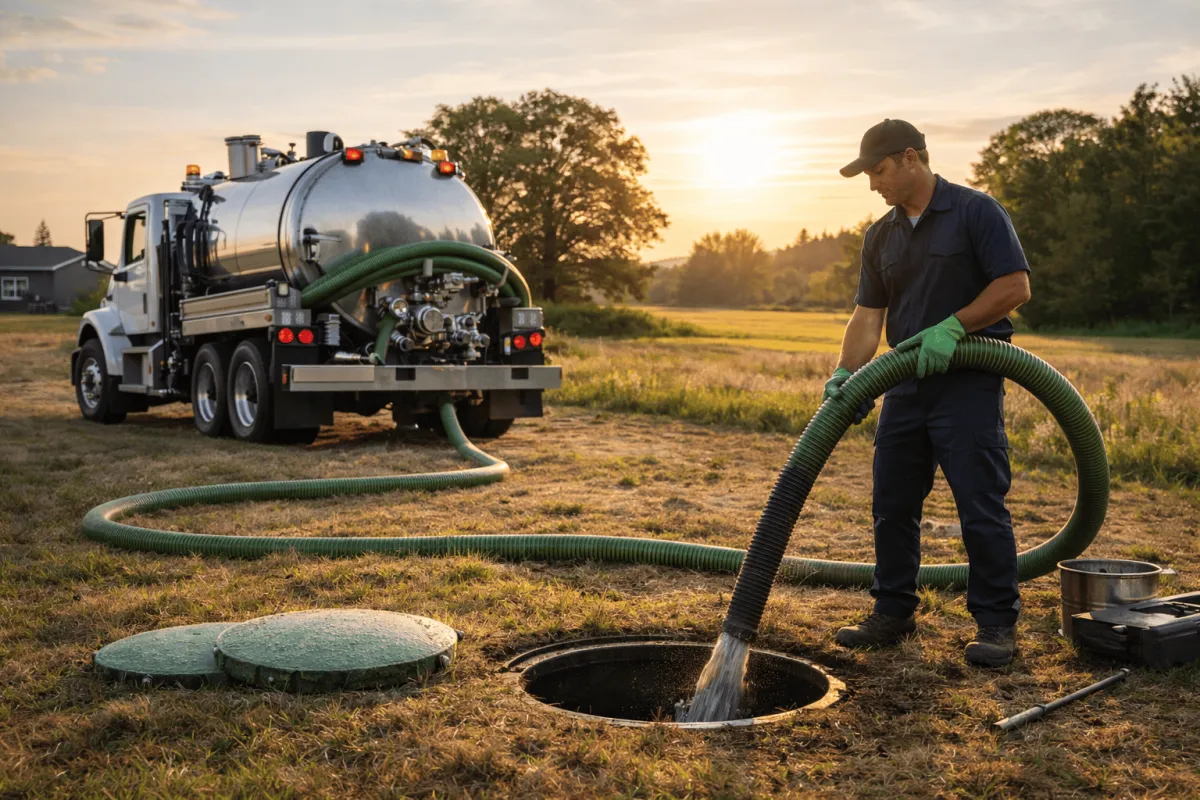
Regular maintenance, including pumping, is crucial for ensuring the longevity and efficiency of a septic system. Without routine pumping, the sludge and scum layers can build up, reducing the tank’s capacity to hold wastewater.
Over time, this can lead to blockages in the inlet and outlet pipes, causing sewage backups in the home or yard. Regular pumping helps maintain the tank’s functionality by removing the excess solids, ensuring that the system operates smoothly and effectively.
Consequences of neglecting septic tank pumping Neglecting septic tank pumping can lead to several severe consequences:
System Failure: Without regular pumping, the tank can overflow, leading to system failure. This can cause untreated wastewater to seep into the ground, contaminating the soil and groundwater.
Health Hazards: Overflowing septic tanks can release harmful bacteria, viruses, and pathogens into the environment, posing significant health risks to humans and animals. Contaminated groundwater can affect drinking water sources, leading to waterborne diseases.
Costly Repairs: Ignoring regular pumping can result in expensive repairs or complete system replacement. A failed septic system can cost thousands of dollars to repair, significantly more than the cost of routine maintenance.
Environmental Impact: Untreated sewage from an overloaded septic tank can pollute nearby water bodies, harming aquatic life and disrupting ecosystems. Proper maintenance helps prevent environmental contamination and promotes a healthier environment.
People Also Ask: Why is septic tank pumping important? Septic tank pumping is vital because it prevents the system from becoming overloaded with sludge and scum, which can lead to blockages, system failure, and environmental contamination.
Do you want sewer coming up your tub drain?
Do you want sewer water flooding your yard?
Regular pumping helps maintain the system’s efficiency, ensures the safe treatment of household wastewater, and protects public health and the environment.
Signs You Need Septic Tank Cleaning
Common indicators that it’s time to pump out your septic tank
Recognizing the signs that your septic tank needs pumping is crucial to prevent system failures and maintain a healthy environment. Here are some common indicators:
Slow Drains: If the sinks, showers, or bathtubs in your home are draining slowly, it could indicate that your septic tank is full and needs to be pumped. This is often one of the earliest signs of a problem (Wind River Environmental).
Foul Odors: Persistent, unpleasant odors around your property, particularly near the septic tank and drain field, can be a sign that the tank is full and needs to be emptied. These smells can be a result of waste buildup and improper decomposition.
Pooling Water: Unexplained pooling of water or soggy areas around the septic tank or drain field, especially during dry weather, can indicate that the tank is full and wastewater is overflowing (Mr. Rooter) (Mr. Rooter)

Sewage Backups: One of the most obvious and severe signs is sewage backing up into the house, usually in the lowest drains such as the basement or ground floor bathrooms. This can be a health hazard and requires immediate attention (Wind River Environmental) (Mr. Rooter).
Lush, Green Grass: While a green lawn is generally desirable, unusually lush and green grass over the septic tank area can indicate a leaking or overflowing tank that is fertilizing the grass with waste (Mr. Rooter) (Mr. Rooter).
Advice on monitoring and maintenance to avoid emergencies
Regular monitoring and maintenance of your septic system can help avoid emergencies and prolong its life. Here are some tips:
Regular Inspections: Have your septic system inspected by a professional at least every 1 to 3 years. Regular inspections can identify potential issues before they become major problems (US EPA).
Scheduled Pumping: Adhere to a regular pumping schedule based on the size of your household and tank. Generally, septic tanks should be pumped every 3 to 5 years, but this can vary depending on usage.
Conservative Water Use: Be mindful of your water usage. Excessive water can overwhelm the septic system, causing it to fail. Fix leaks, install water-saving fixtures, and avoid doing multiple loads of laundry back-to-back (Wind River Environmental).
Proper Waste Disposal: Do not flush non-biodegradable items, grease, or harmful chemicals down the drains. These can clog and damage the septic system. Use septic-safe toilet paper and avoid using a garbage disposal excessively (US EPA).
Maintain the Drain Field: Protect your drain field by not parking vehicles or planting trees and shrubs over it. Roots can damage the pipes, and compacted soil can affect its efficiency (Mr. Rooter).
People Also Ask: What are the signs that a septic tank is full?
The signs of a full septic tank include slow drains, foul odors, pooling water around the tank or drain field, sewage backups in the house, and unusually lush grass over the septic system. Regular inspections and maintenance can help detect these signs early and prevent major issues.
How Often Is Septic Tank Pumping Needed?
General guidelines for septic tank pumping frequency
The frequency of septic tank pumping can vary, but a general rule of thumb is that it should be done every 3 to 5 years. This interval ensures that the tank does not become too full of sludge and scum, which can lead to system failure and other problems. Some experts suggest more frequent pumping if the household uses the septic system heavily or if the tank is smaller than average (US EPA).
Factors that influence pumping frequency
Several factors can influence how often you should pump your septic tank:
Household Size: Larger households generate more wastewater, which can fill up the tank more quickly. More people using the system means more solids and wastewater entering the tank, necessitating more frequent pumping.
Tank Size: The size of the septic tank is a significant factor in determining pumping frequency. Smaller tanks fill up faster and may require more frequent pumping compared to larger tanks.
Usage Patterns: The amount and type of water usage can affect how quickly a septic tank fills up. For example, homes with high water usage from activities like frequent laundry, dishwashing, and long showers will need more frequent pumping.
Garbage Disposal Use: Using a garbage disposal can increase the amount of solid waste in the septic tank. This can lead to quicker accumulation of sludge and scum, requiring more frequent pumping.
Seasonal Residents: Homes that are only occupied seasonally may not need pumping as frequently as those that are occupied year-round. However, if the system is used heavily during certain times of the year, it might still require regular maintenance.
People Also Ask: How often should a septic tank be pumped?
The EPA recommends that a septic tank be inspected at least every 1 to 3 years and pumped every 3 to 5 years. However, the exact frequency depends on factors such as household size, tank size, and water usage habits. For example, a household of four with a 1,000-gallon tank might need pumping every three years, while a smaller household might extend this period to five years
Schedule Septic Tank Pumping Today
Protect your property with trusted septic tank pumping near you. Contact Gulf Coast Septic Service today to schedule service or request an estimate. Routine maintenance today can prevent expensive repairs tomorrow.
© 2026 Gulf Coast Septic Service | All Rights Reserved.